Inside a Superior Smoke Recovery: Restoring a Home Spared by the Marshall Fire
How our team eliminated pervasive wildfire smoke odor and ash from a Superior home that survived the Marshall Fire but was left uninhabitable by smoke infiltration.
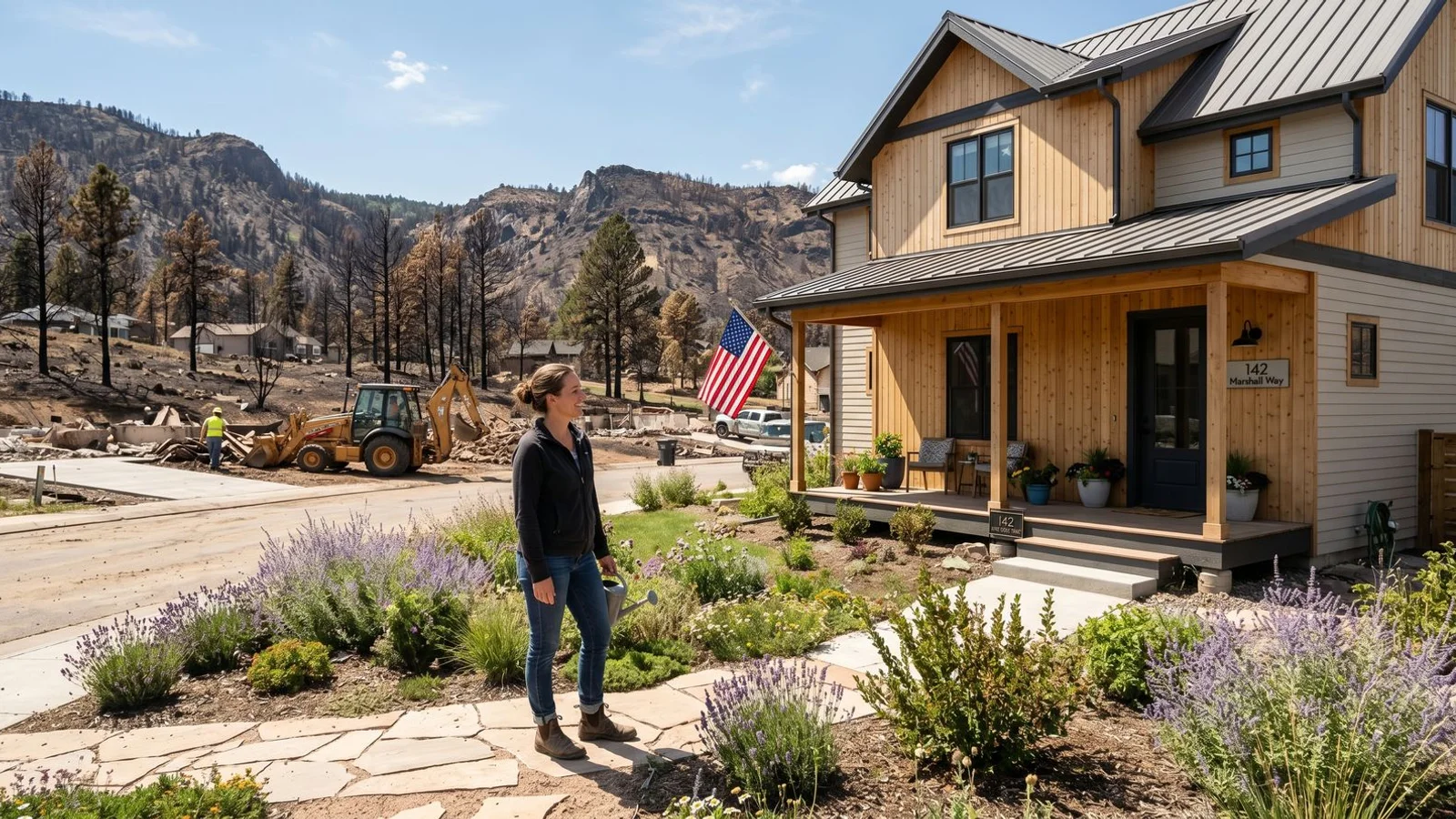
A home that survived — but no longer felt like home
The Marshall Fire of December 30, 2021 destroyed more than a thousand homes across Boulder County. Hundreds more survived structurally but became uninhabitable from smoke infiltration. This is the story of one of those homes — a Superior family who called us six weeks after the fire because the smell of smoke wouldn’t go away.
The owners, who asked to be identified only as the M. family, had returned home a week after the fire, hoping the smell would fade with airing out. It didn’t. By week four, they’d hired a general cleaning crew that promised “deep cleaning and ozone treatment.” By week six, the smell was, if anything, worse. The kids’ rooms triggered headaches; the dog refused to settle on the carpet; and the family was sleeping at a relative’s house in Lafayette.
When we walked the property, the problem was obvious. The previous crew had ozone-treated the home aggressively — which masks odor temporarily but doesn’t address the underlying contamination. The HVAC system hadn’t been touched. The attic had visible ash deposition on the insulation. Soft contents were still in place, still absorbing.
The infiltration scope
Our initial assessment documented:
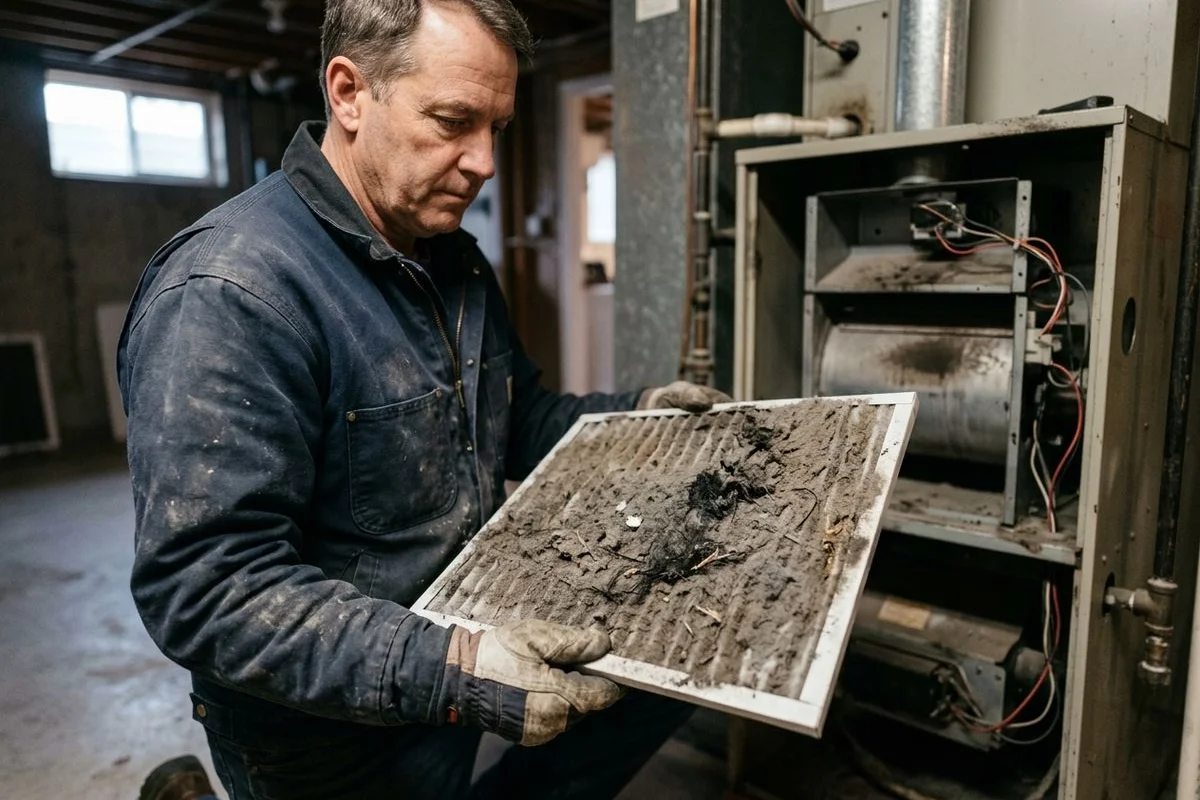
- HVAC ductwork contaminated end to end, including the air handler interior
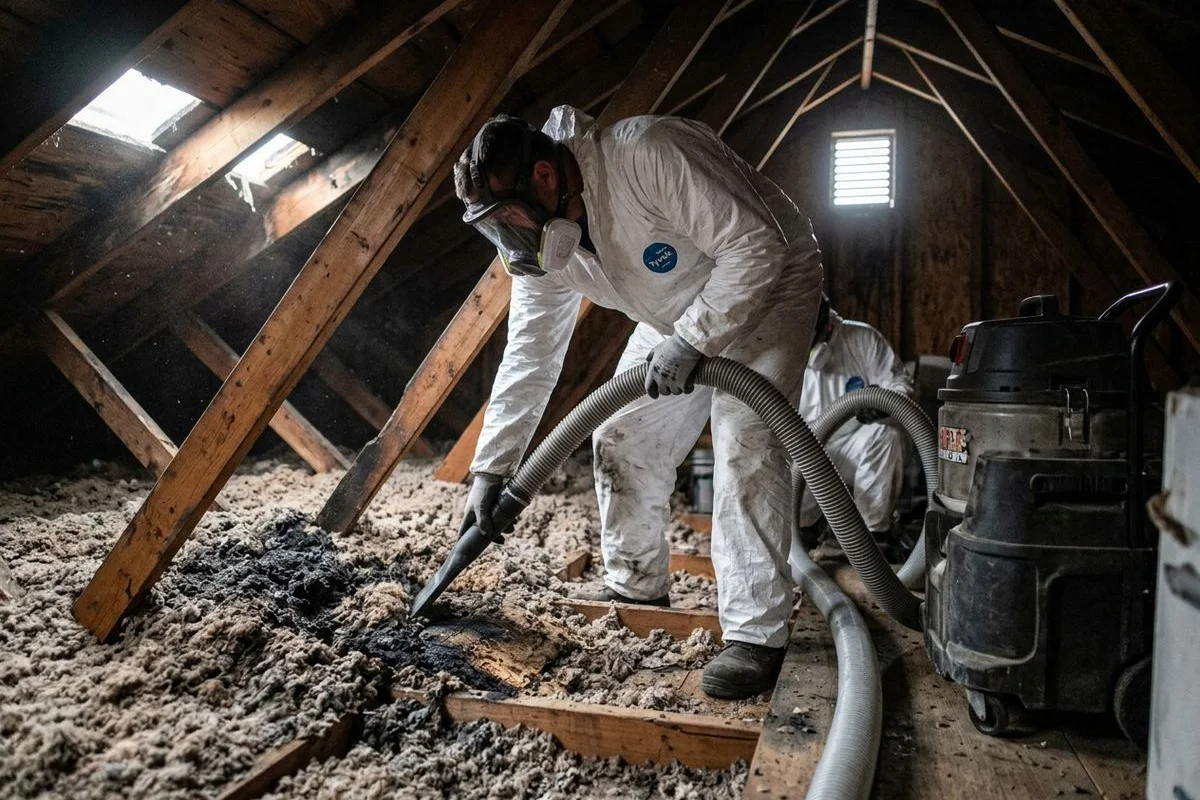
- Attic insulation with surface ash deposition across the entire footprint
- Carpet pad holding PM2.5 particulate throughout the home
- Upholstered furniture with deep smoke odor — particularly the master bedroom set and the family room sofa
- Closet contents with smoke deposition on hanging clothing
- HVAC filter that was opaque from smoke loading
PM2.5 air-quality testing showed elevated indoor levels even three weeks after the family stopped running the HVAC. The contamination wasn’t going to clear on its own.
The remediation plan
We built a four-week phased plan with the family and their insurer:
Week 1: Exterior and HVAC. Exterior wash-down to stop re-contamination from roof and siding ash. Full HVAC decontamination — ductwork HEPA-vacuumed and brushed, air handler interior wiped down, filter system upgraded. New media filtration installed.
Week 2: Attic and content pack-out. HEPA vacuuming of attic insulation surfaces. Soft content pack-out for off-site cleaning — the master bedroom set, family room upholstery, drapery throughout, and hanging clothing.
Week 3: Surface and odor work. HEPA vacuuming of every horizontal surface throughout the home. Carpet extraction and treatment. Surface cleaning of cabinetry interiors and closet interiors. Thermal fogging and hydroxyl treatment, two passes.
Week 4: Content return and verification. Cleaned contents returned and placed. Air quality re-tested. Final walkthrough with the family.
What worked
Three decisions made the difference:
- Aggressive HVAC scope. The previous crew had skipped this entirely. Once decontaminated, the system stopped redistributing smoke every time it ran.
- Pack-out instead of in-place soft content cleaning. Trying to clean the upholstery in place wouldn’t have addressed the smoke embedded in the foam. Pack-out and dedicated cleaning gave a real result.
- Attic remediation. This is the step most fire crews skip on wildfire jobs. The attic was a constant odor reservoir until we addressed it.
The result
Four weeks after we started, the M. family walked through their home and confirmed the smell was gone. PM2.5 air quality measured at baseline. The dog settled on the carpet. The kids slept in their rooms without complaint.
The insurance claim resolved cleanly. We scoped to Xactimate from the start, documented every phase, and provided air-quality testing before and after. The adjuster reviewed the file and signed off without dispute.
What other Marshall Fire-area homeowners should know
If you’re in a Marshall Fire-affected community — Superior, Louisville, or adjacent neighborhoods — and your home survived but still has lingering smoke issues months later, you’re not alone and it’s not too late. We worked on dozens of similar homes over the 24 months following the fire, and the pattern is consistent: HVAC, attic, soft contents, and odor work in the right sequence resolves the infiltration.
For the full scope, see our wildfire smoke damage remediation service page. For the broader Marshall Fire recovery context, see our Marshall Fire smoke damage recovery guide. If you’d like a free assessment of your specific situation, call our dispatch line — we can usually do a walkthrough within a few days.
Dealing with fire or smoke damage in Boulder?
24/7 emergency dispatch and free assessments across Boulder County.