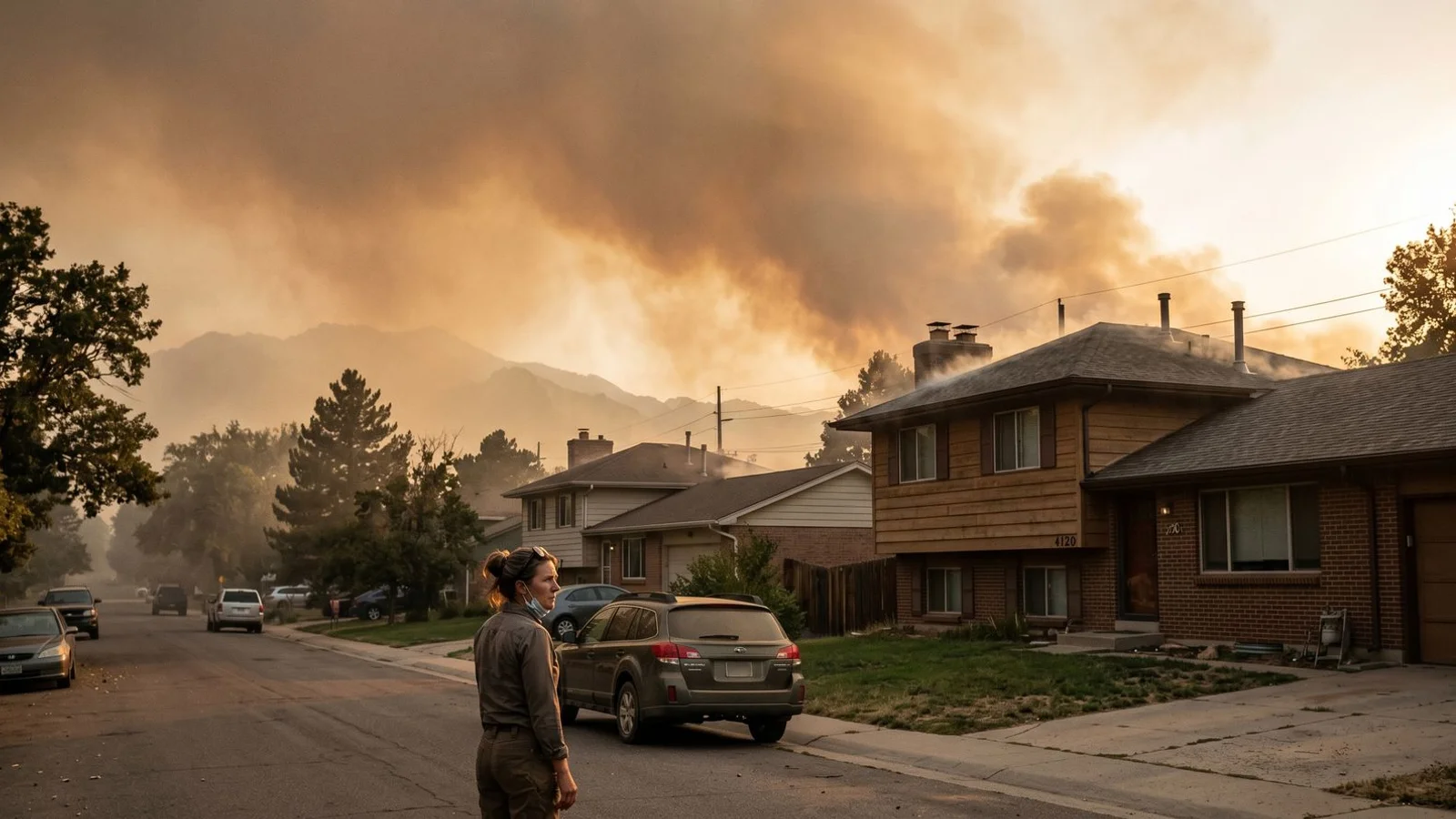
Have you ever walked back into your home after a nearby wildfire and noticed a strange, sweet, and sharp smell?
It is a stressful experience that leaves many homeowners wondering what to do next. We understand exactly how overwhelming this feels. Boulder Fire Restoration Pros has served the Colorado Front Range for over two decades, specializing exclusively in fire and smoke damage restoration.
This guide walks you through the exact steps to clear the air and get your space feeling like home again. Grab a cup of coffee, and let’s go through this process together.
Wildfire smoke damage is different from a structure fire
When a wildfire moves through the Front Range, most surviving homes still sustain serious damage. You will not see visible charring, burned framing, or obvious soot stains on the walls. This lack of visual evidence is exactly why so many people miss the true extent of the damage for months.
The smoke and ultra-fine ash from a wildfire infiltrate through every tiny opening in your house. These entry points include HVAC intakes, attic vents, can-light penetrations, weatherstripping gaps, and even your electrical outlets.
What remains behind is not just a lingering smell. It is PM2.5 particulate matter deposited on every horizontal surface.
These are the exact same microscopic particles that prompt Environmental Protection Agency (EPA) health warnings during fire season. PM2.5 particles measure 2.5 microns or smaller in diameter, making them small enough to embed deeply into your carpet and upholstery.
They sit heavily on your attic insulation and recirculate into your breathing air every time your furnace or air conditioner runs.
You can easily feel the difference when you walk into a house located inside a smoke plume two weeks ago. The smell is sweet, sharp, and persistent in a way ordinary campfire smoke simply is not.
Recent data from the 2025 EPA ASPIRE study highlights how easily these micro-particles bypass standard home filters. A basic fiberglass filter will not trap PM2.5 effectively.
| Feature | Ordinary House Dust | Wildfire PM2.5 Particulate |
|---|---|---|
| Size | 10 to 100 microns | 2.5 microns or smaller |
| Removal Method | Standard household vacuum | HEPA vacuuming mandatory |
| Health Impact | Mild allergy symptoms | Serious respiratory irritation |
| Filter Needed | Basic fiberglass filter | MERV-13 or higher rating |
The Marshall Fire taught Boulder County what this really looks like
The catastrophic Marshall Fire swept through Superior and Louisville on December 30, 2021. Driven by sustained winds exceeding 100 mph, the blaze destroyed over 1,000 structures.
Thousands of other homes survived the flames but quickly became uninhabitable from severe smoke infiltration. The lessons from that specific event shape exactly how we handle wildfire recovery today.
Our team applies these critical findings to every single Front Range wildfire smoke event. This intense local experience revealed several key truths about indoor contamination.
- HVAC is the carrier. Ductwork running during the fire actively pulled thick smoke through every register in the house. Cleaning the visible living spaces but leaving the duct system contaminated means the toxic smell returns the next time the furnace kicks on.
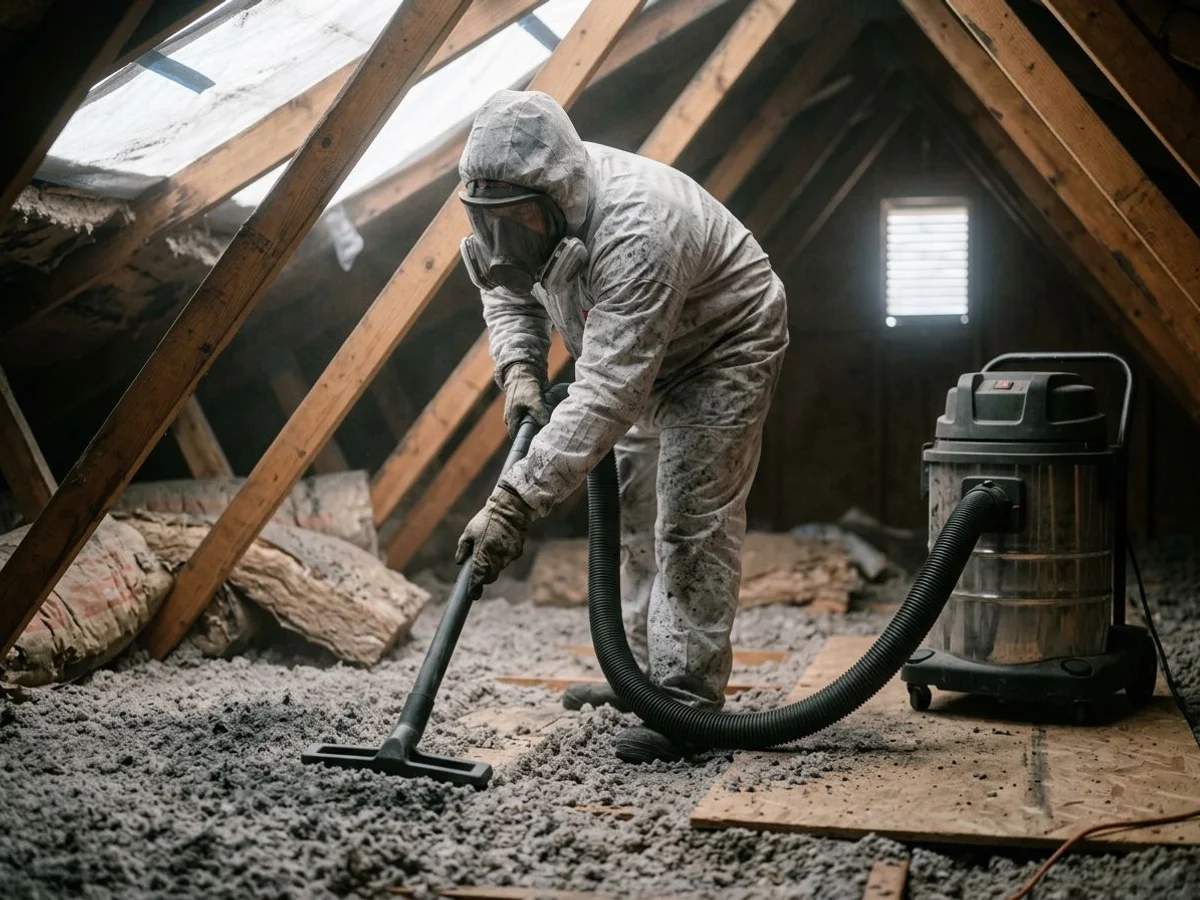
- Attic insulation traps ash. Loose-fill fiberglass or cellulose insulation in older Boulder County homes acts like a giant, ineffective air filter. You cannot simply wash this material. Contractors must HEPA vacuum the top surface or completely replace the insulation in the worst-case scenarios.
- Soft contents absorb deeply. Sofas, curtains, mattresses, and clothing trap wildfire smoke far worse than painted walls and hardwood floors. Scheduling a pack-out and professional cleaning is usually the smartest call for saving your belongings.
Many homeowners make the mistake of running their standard air conditioning during a smoke event. This common error actively pulls contaminated outside air directly into your pristine living room.
You must shut off fresh air intakes immediately when a nearby fire starts.
What proper wildfire smoke remediation includes
A full wildfire remediation project requires five distinct phases executed in a highly specific order. Skipping a step or changing the sequence will result in recurring odors and wasted money.
Phase 1 and 2: Securing the Exterior and Air Systems
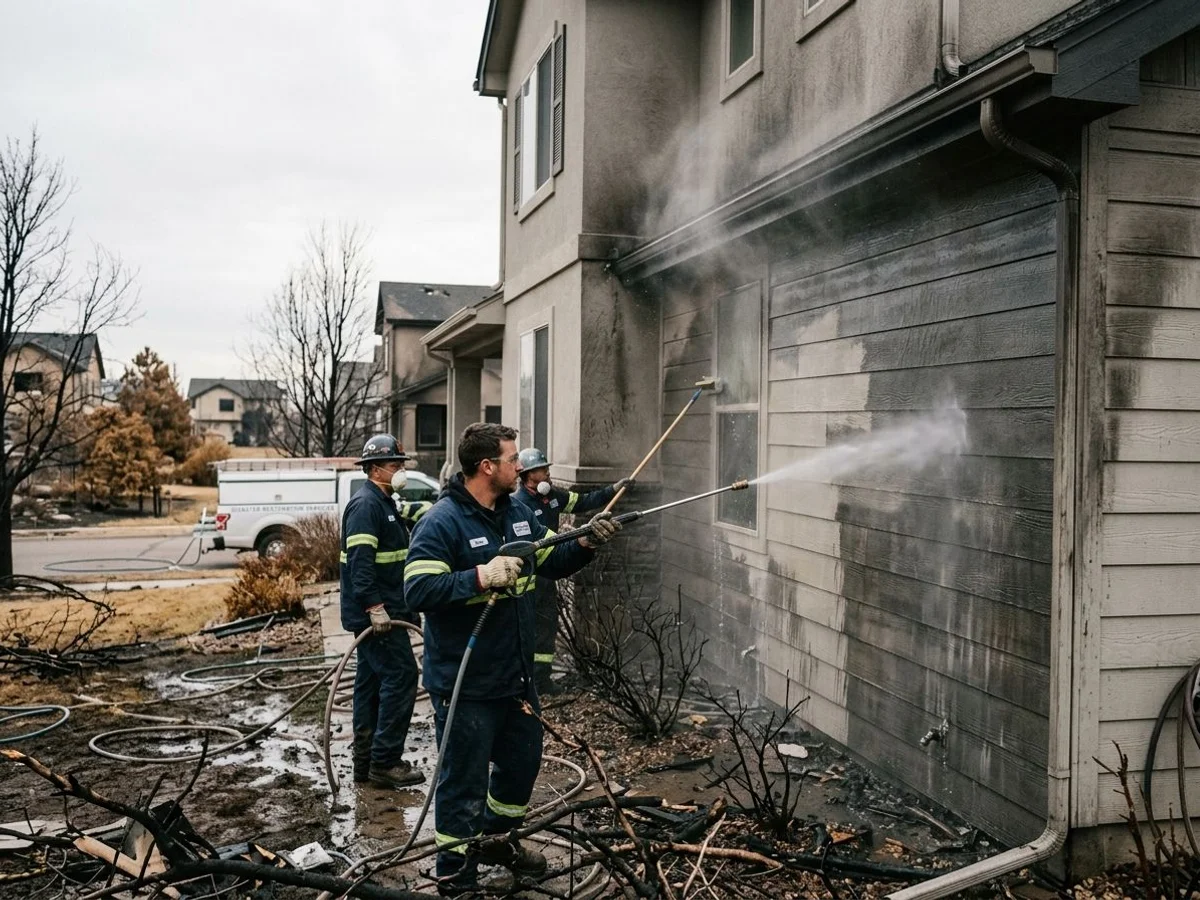
- Exterior wash-down first. Starting the cleanup inside your house is a major tactical error. The ash resting on your roof and siding gets tracked back through doors and HVAC intakes within a matter of days. We start with a controlled exterior wash so the outside stops re-contaminating the inside. This protective barrier sets the stage for interior success.
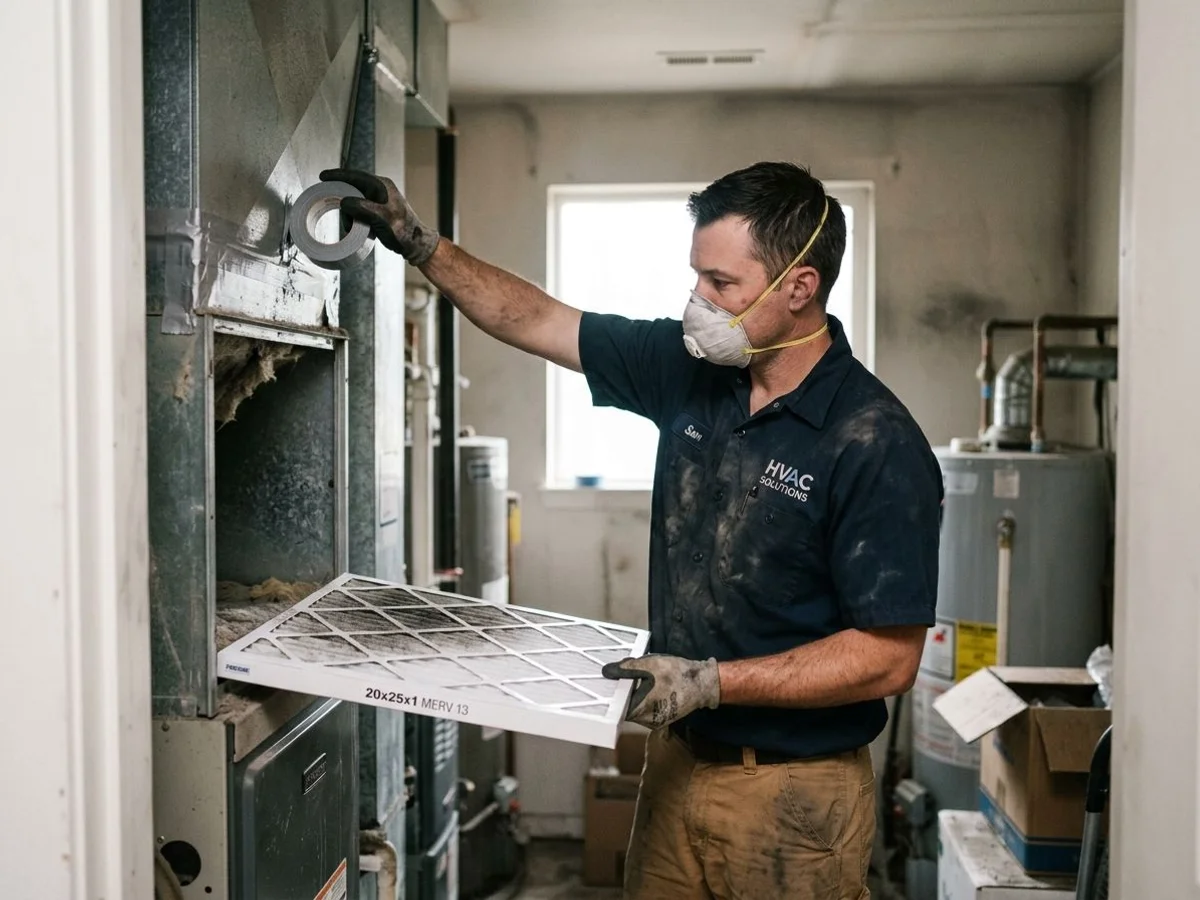
- HVAC decontamination. Technicians must remove the old filters, HEPA-vacuum the ductwork, and brush the air handler clean. This is the single biggest step for stopping odor recurrence.
Phase 3 and 4: Treating the Interior Spaces
- HEPA vacuuming of interior surfaces. Crews must carefully vacuum every horizontal surface, every soft good, and all attic insulation tops. Ordinary vacuums blow PM2.5 right back into the breathing air. HEPA filtration capturing 99.97% of particles is completely mandatory for this stage.
- Surface cleaning and content treatment. Walls and ceilings require specialized chemical sponges to remove oily residue. Soft contents with salvageable value are packed out for professional processing. Items ruined beyond repair are formally documented for the insurance claim. Our fire content restoration page walks through that complete scope of work. This detailed cataloging makes filing your claim much easier.
Phase 5: Final Odor Elimination
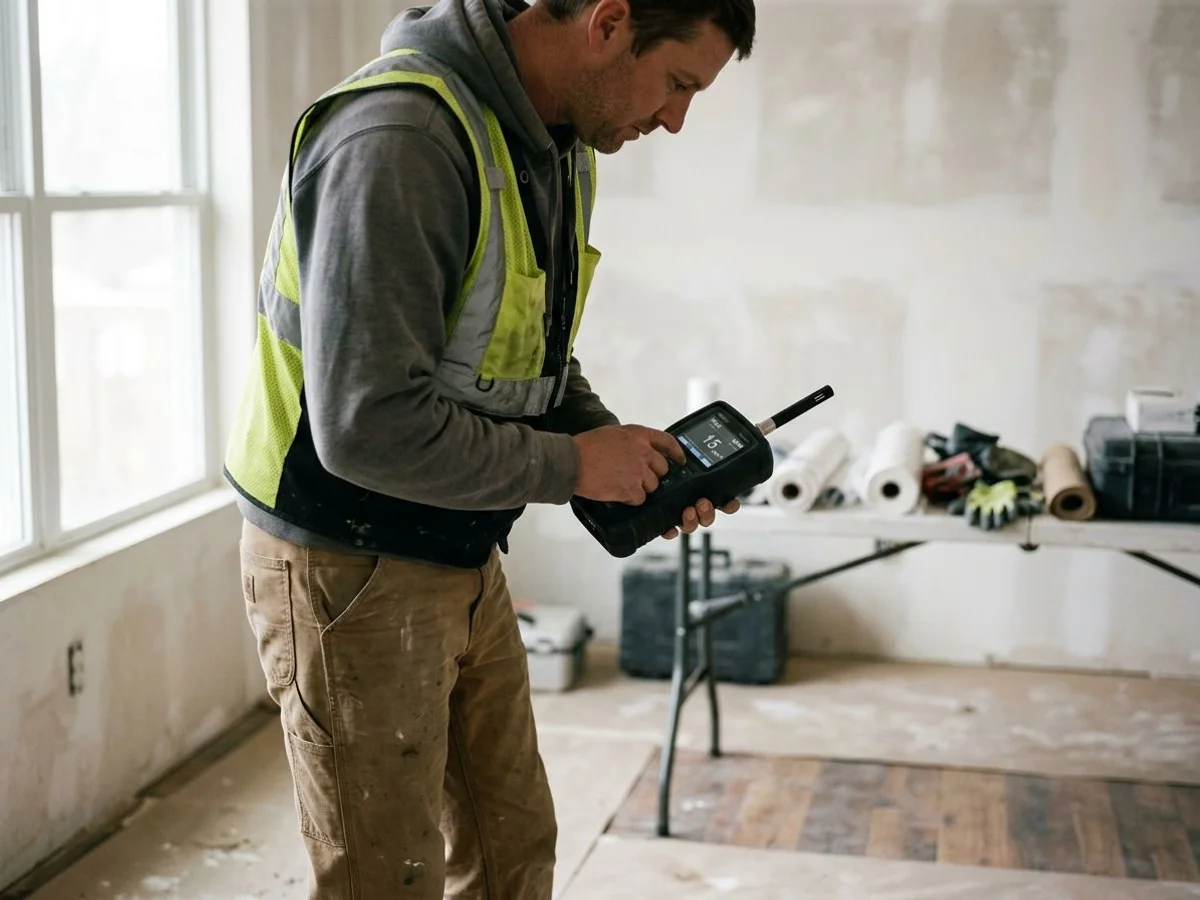
- Odor elimination and verification. The molecular odor remains stubbornly present even after the physical particulate is gone. We deploy advanced thermal fogging paired with hydroxyl generators to break down these smells. A commercial-grade Titan 4000 Hydroxyl Generator uses UVA light and titanium dioxide to neutralize odors without producing dangerous ozone. This targeted approach from our smoke odor removal service eliminates that final layer, and we verify the indoor air quality before handing the keys back to you. Your family deserves to breathe clean, safe air.
What you should do this week
Time is a critical factor when dealing with airborne particulate contamination. If your Boulder County home was exposed to heavy wildfire smoke and you haven’t booked a professional assessment, you need to act fast.
The highest-value step you can take today is scheduling a free on-site inspection. We carefully document the infiltration with high-resolution photos and build a detailed scope of work.
The estimate is then written in Xactimate, which is the exact same pricing software used by over 80% of insurance adjusters nationwide. Using the exact same language as your insurance provider dramatically speeds up the approval process.
Most claims gain rapid approval when the documentation is rigorous and highly detailed. You also have strong legal protections backing up your recovery choices.
Colorado Law CO 10-4-120 explicitly protects your fundamental right to choose your own restoration company. Your insurance provider cannot coerce, threaten, or induce you into using their preferred vendor.
You can review our insurance claims page for the full details on maximizing your coverage.
Pro Tip: Smoke damage absolutely does not air out on its own. Opening your windows and hoping the smell fades is a terrible strategy that only delays the inevitable. By the time you stop noticing the scent, the PM2.5 particulate has already embedded permanently into your carpet pad.
Call a trusted local professional immediately to map out your recovery plan. You will save yourself months of headache and protect your property value by taking decisive action today.