Colorado Wildfire Season 2026: How to Protect Your Boulder County Home from Smoke
With wildfire season heating up across the Front Range, here's how Boulder County homeowners can prepare for and respond to wildfire smoke infiltration this summer.
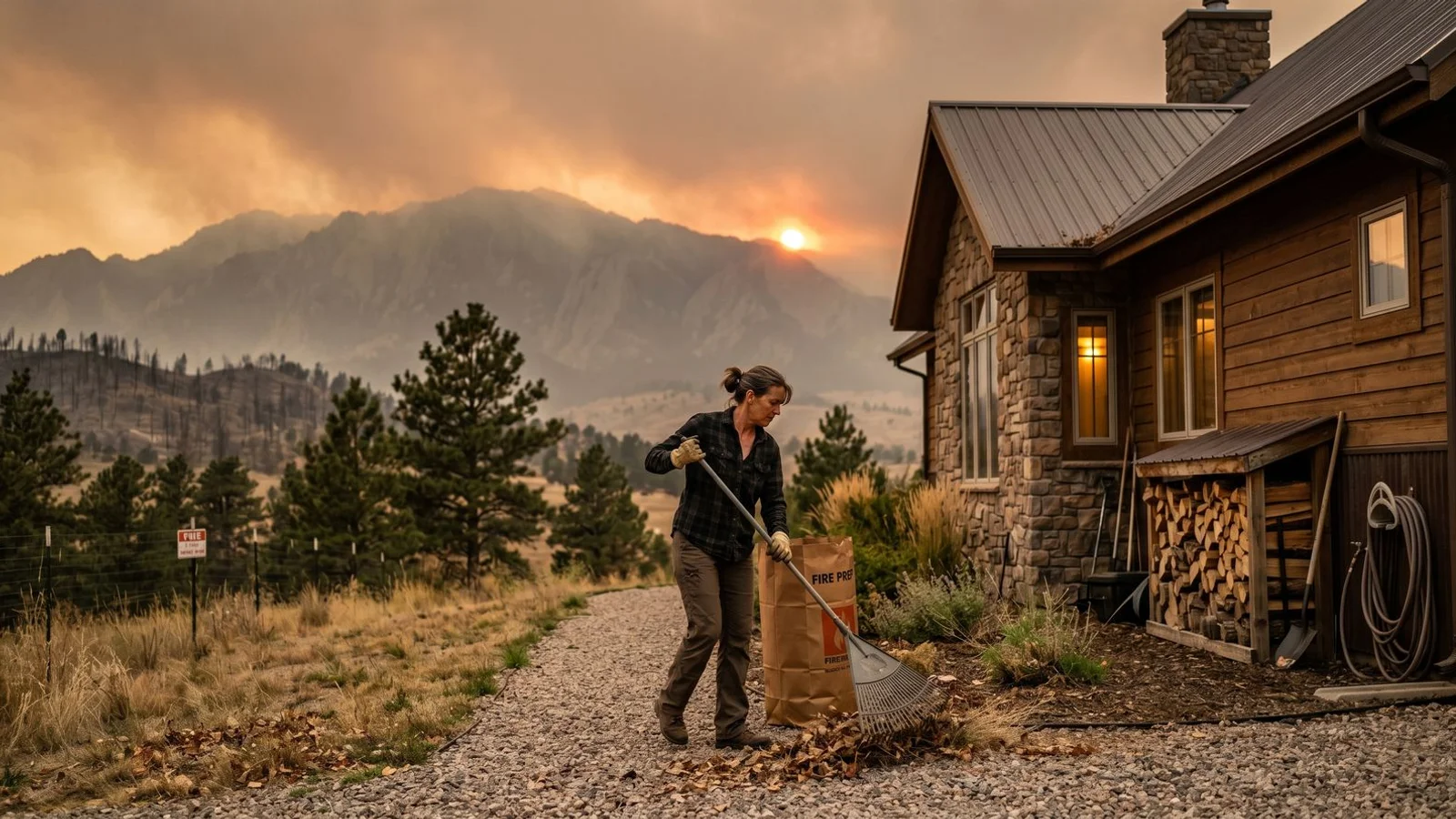
Wildfire season 2026 is already active
The 2026 Colorado wildfire season got off to an early start, with multiple Front Range fires through May and active conditions across most of the state going into June. Boulder County, as ever, sits in a wildland-urban interface that puts most properties within the potential smoke plume of any regional fire.
The good news: most homeowners can meaningfully reduce smoke infiltration risk with practical steps that take an afternoon. The better news: if smoke does get in, fast professional response usually prevents long-term consequences. This is a short preparedness guide for the months ahead.
Before smoke arrives: preparation that matters
Three preparation steps make the biggest difference:
1. Upgrade HVAC filtration
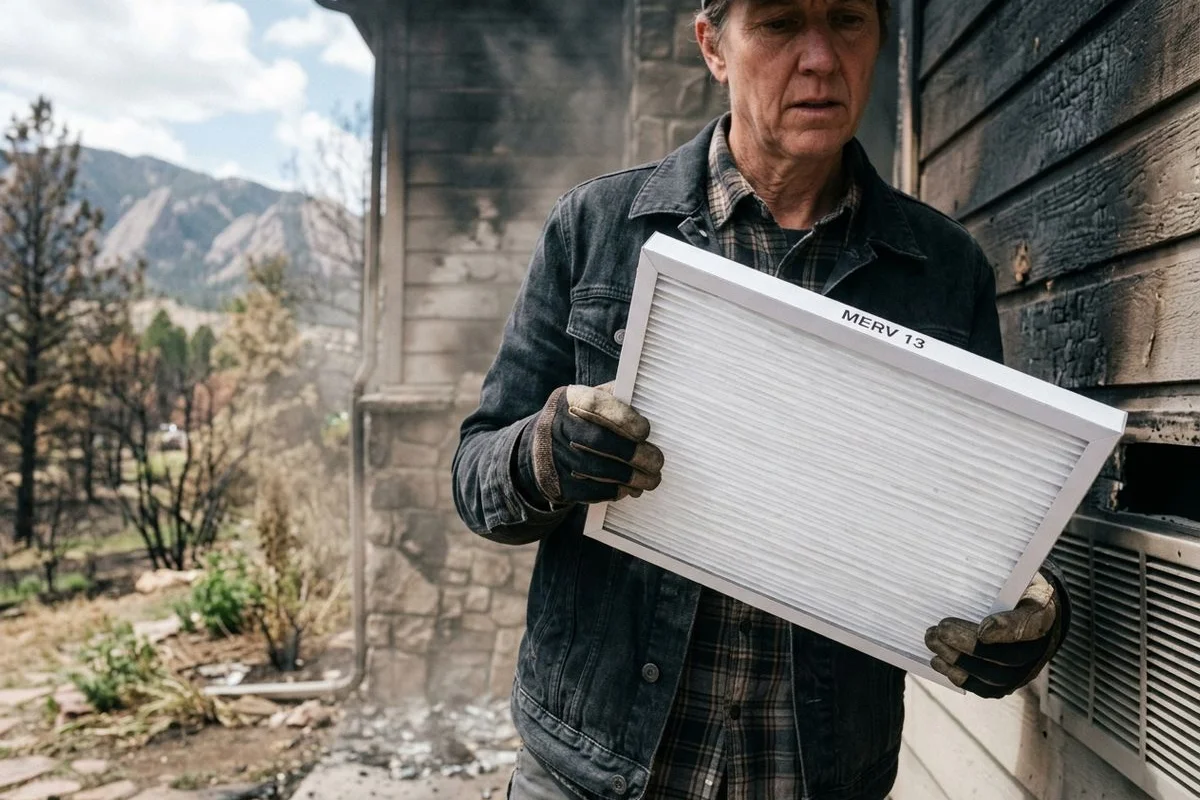
If your HVAC currently uses a basic MERV 8 filter, upgrade to a MERV 13 (or higher) for wildfire season. MERV 13 captures most of the PM2.5 particulate that drives wildfire health warnings — basic filters don’t. Check your system can handle the higher resistance (most modern systems can; some older ones can’t).
Stock 2-3 spare filters. During an active smoke event, filters load fast and need frequent replacement.
2. Identify your infiltration paths
Walk your home with a candle or incense stick and find air leaks around windows, doors, electrical penetrations, and chimney dampers. Seal what you can. Standard weatherstripping and door sweeps handle most household-grade leaks; for serious gaps, expanding foam or caulk are appropriate.
Pay particular attention to:
- Attic hatches and pull-down stairs
- Plumbing penetrations under sinks
- Window weatherstripping (especially older single-pane windows)
- Electrical outlets on exterior walls
- Around the dryer vent
3. Defensible space if you’re in a higher-risk zone
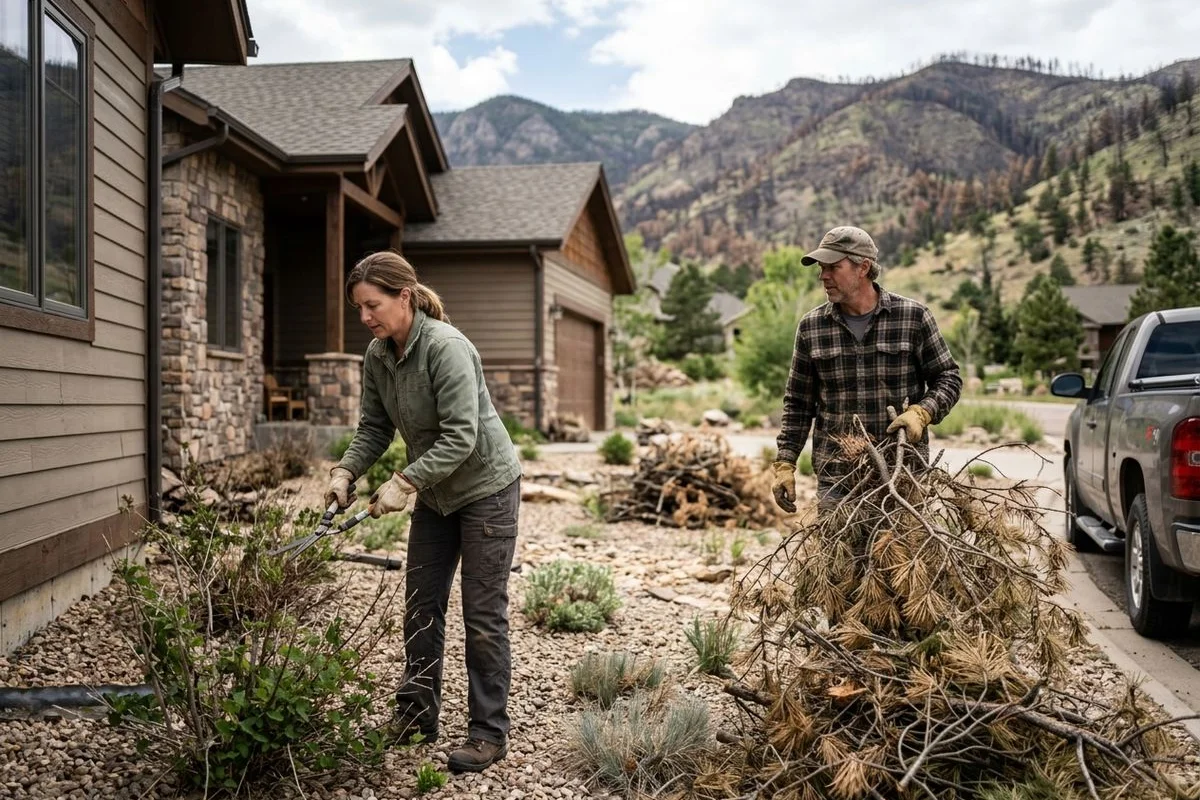
For homes in the foothills west of Boulder or in WUI-designated neighborhoods, defensible space matters. Boulder County has guidance documents covering the recommended zones: ignition-resistant Zone 1 within 5 feet, lean-and-mean Zone 2 from 5-30 feet, and reduced-fuel Zone 3 from 30-100 feet.
This isn’t just fire-spread mitigation. Cleaner defensible space reduces the local ash load during a regional smoke event.
During an active smoke event
When AirNow or your local air quality alert flips to “unhealthy” or worse:
What to do
- Stay inside with windows and doors closed
- Run the HVAC with upgraded filtration — yes, you want air movement through good filters
- Run a portable HEPA air purifier in primary living spaces if you have one
- Check filter loading frequently — replace as soon as visibly loaded
- Keep pets indoors — they’re affected too
- Limit cooking that uses the range hood, which pulls outside air
What NOT to do
- Don’t open windows to “air things out” — outdoor PM2.5 will load your home with smoke
- Don’t use whole-house fans for the same reason
- Don’t burn candles or fires — adds particulate to indoor air
- Don’t ignore symptoms in vulnerable household members (kids, elderly, asthma)
After the smoke passes
This is where many homeowners go wrong. The outdoor air quality clears, the smoke plume moves on, and they assume the house is fine. Often it isn’t. PM2.5 has settled on surfaces, embedded in carpet and upholstery, and contaminated HVAC ductwork.
What to do in the days after a smoke event:
- Replace HVAC filters even if not visibly loaded
- Inspect filters for discoloration — that’s diagnostic of infiltration
- Wipe horizontal surfaces with a damp microfiber cloth (not a feather duster — that just relofts particulate)
- HEPA vacuum carpets and upholstery with a true HEPA vacuum (not a standard household vacuum)
- Watch for lingering odor or irritation symptoms over the next 2-3 weeks
If smoke odor persists or you see ash film on surfaces a week later, that’s infiltration — and it usually needs professional remediation rather than DIY. See signs of wildfire smoke infiltration for the diagnostic detail.
When to call us
If a Front Range wildfire event has affected your area and you suspect infiltration, call our dispatch line for a free assessment. We can usually walk the property within a few days, do surface and air-quality testing, and tell you definitively whether remediation is warranted.
The remediation scope for wildfire infiltration runs in our wildfire smoke damage remediation workflow — HVAC decontamination, attic remediation, soft content pack-out, surface cleaning, and odor work. Most claims are covered under standard homeowner policies, see our is wildfire smoke damage covered by insurance guide for details.
Stay safe this wildfire season. The Front Range will see active conditions through October — preparation today saves remediation in the fall.
Dealing with fire or smoke damage in Boulder?
24/7 emergency dispatch and free assessments across Boulder County.